
Few things are as joyful as bringing home a new puppy or kitten who fills every day with virtual cuteness and Instagrammable moments. But a full schedule of bonding, training, potty trips, and avoiding trouble, can easily overwhelm new owners and cause them to have trouble keeping up with veterinary appointments. Help ensure your new addition’s first year is as happy and healthy as possible with the following six tips.
#1: Prep your home
Puppies and kittens are unbelievably curious, but, just like toddlers, they don’t understand what is safe and what is off limits. Remember, if your pet can get something in his mouth, he’ll eat it or chew it! Here are some tips for proper puppy and kitten proofing:
- Look at your house from your new addition’s point of view. Get on your hands and knees so you don’t miss anything at ground level.
- Keep anything dangerous, like cleaning supplies, behind locked cupboard doors or stored up high.
- Tie all electrical cords out of reach.
- Switch to garbage cans with lids. Food smells will be an attraction, so be sure he can’t get in your trash.
- Use barricades, like baby gates or exercise pens, to keep your puppy confined to safe areas or out of unsafe ones. You don’t have to puppy proof the whole house until your dog is ready for that kind of freedom.
- Examine your backyard for hazards. For example, look for holes in the fence, toxic plants, or other potential chewing hazards.
#2: Visit the veterinarian
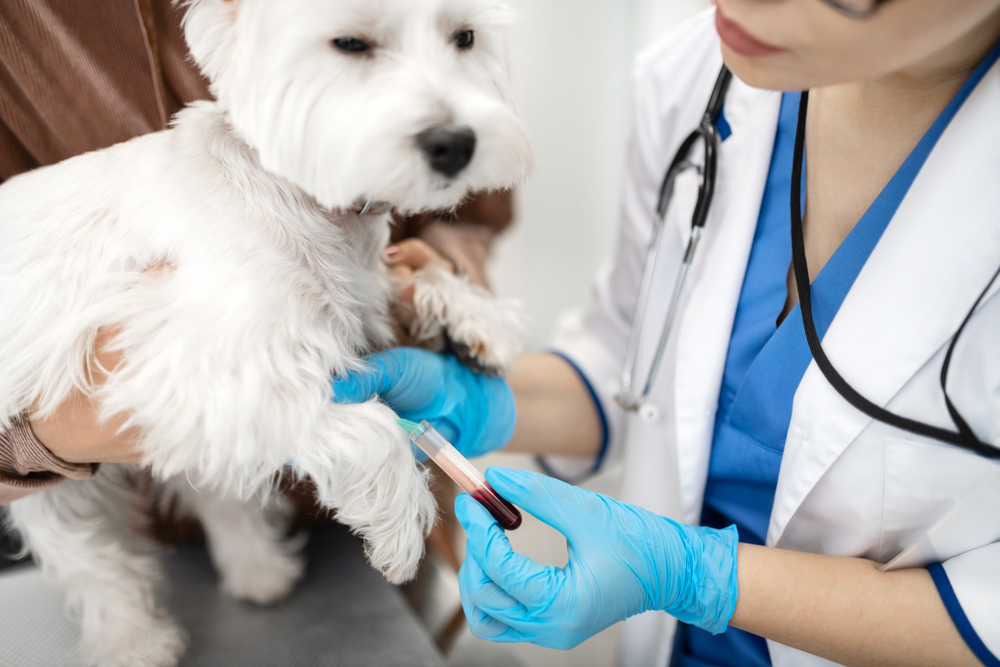
Like human babies, puppies and kittens require additional health-care visits their first year to ensure they’re growing and thriving. Your puppy or kitten should first be examined at 8 weeks of age, usually around the time you take her home. From there, your veterinarian will recommend the core vaccines, such and parvovirus and rabies, for every puppy and kitten, and will discuss additional recommended vaccines, depending on your pet’s anticipated lifestyle. Your furry baby then should be examined every three to four weeks until 4 months of age to continue recommended vaccines, and to track weight, growth, and general well-being. Our team is here to help with any medical concerns, as well as training and behavior issues that may arise.
#3: Avoid places where your new addition could be exposed to other animals
Young animals are more susceptible to viruses and diseases carried by other animals. Dog parks, pet stores, play groups, and other public areas should be avoided until your dog or puppy is fully vaccinated (generally about 16 weeks). When visiting the veterinarian, use a carrier or consider waiting in the car and carrying your pet directly into the exam room.
#4: Protect pets (and your human family members) from parasites
Puppies and kittens are often exposed to parasites from their mother or the environment. Parasites can cause significant health concerns for not just your new puppy or kitten, but also for the people in your family. Many young animals can harbor zoonotic parasites, which can be potentially transmitted to people. To help protect your new puppy or kitten and your family from parasites, it is important to have regular screening tests performed and to begin regular parasite preventatives during your pet’s initial veterinary exams.
#5: Spay or neuter your pet
For non-breeding animals, the benefits of spaying and neutering often exceed potential benefit from leaving pets intact. Once spayed or neutered, accidental kittens or puppies are not possible, and your pet can be managed more easily at home, because behavioral challenges are less likely. Intact dogs and cats are also at increased risk for cancer and other serious illnesses, such as pyometra. Our team can help you decide the right time to spay or neuter your pet.
#6: Provide proper nutrition

Proper nutrition is a popular topic for both humans and pets. The following websites contain unbiased information, not associated pet food companies, that may be helpful in determining which pet food is right for your new addition:
In general, puppies and kittens need specific amounts of protein and nutrients to fuel appropriate muscle and bone growth, and to encourage healthy weight gain. Properly formulated food, which your veterinarian can help you choose at your new pet’s first exam, will also help to keep your puppy or kitten’s dental health in check. Always seek our advice for large-breed dogs, who can suffer from serious orthopedic issues, with improper nutrition.
We hope these tips are helpful in ensuring your puppy or kitten’s first year is healthy and happy, and following your veterinarian’s recommendations will prevent her from contracting a serious illness or developing behavior issues. If you plan to bring home a new pet, give us a call to set up her first appointment.