
Vaccines, Parasite Prevention & Environmental Health
Vaccines & Parasite Prevention for Dogs & Cats
Preventive Care Tailored to Your Pet’s Lifestyle and Environment
Life in the Walla Walla Valley looks different for every pet. Some spend their days hiking trails, visiting wineries, working on farms, or exploring outdoors, while others are mostly indoor companions.
At Associated Veterinary Medical Center, we tailor vaccine and parasite prevention recommendations around your pet’s lifestyle, environment, risk factors, and overall health, because preventive care is never one-size-fits-all.
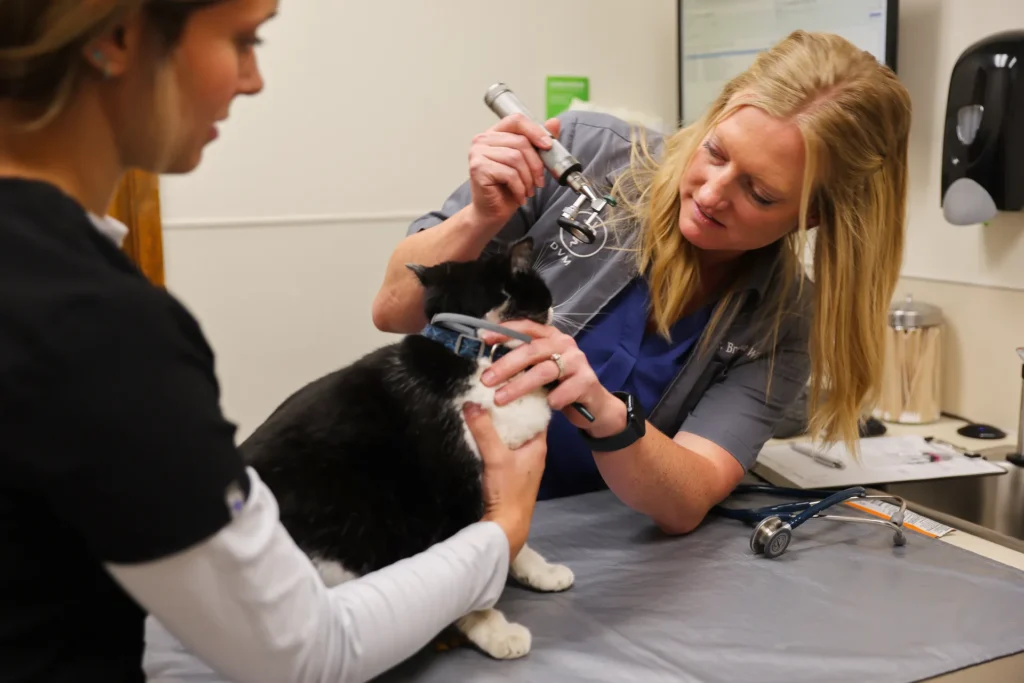

What We Consider When Building Preventive Care Plans
- Indoor vs. outdoor lifestyle
- Exposure to wildlife or standing water
- Farm and ranch environments
- Hiking, camping, or travel activities
- Boarding, daycare, and grooming exposure
- Contact with other animals
- Age and overall health
Our goal is to create recommendations that feel thoughtful, realistic, and personalized to your pet and family.
Vaccine Recommendations for Dogs & Cats
Vaccines help protect pets from preventable and potentially serious diseases.
Your pet’s vaccine recommendations may vary based on:
- Lifestyle and exposure risks
- Age and life stage
- Travel or boarding needs
- Local disease prevalence
- Medical history

Vaccines for Dogs
Core vaccines are recommended for most dogs, while lifestyle vaccines are recommended based on your dog’s individual exposure and activities.
Rabies Vaccine (Core)
Rabies vaccination is required by Washington State law for dogs. Rabies is a fatal disease that can affect both animals and people, making vaccination an important part of both pet and public health.
Distemper/Parvo Combination Vaccine (DHPP) (Core)
This core vaccine helps protect dogs against several serious and highly contagious diseases, including:
- Distemper
- Parvovirus
- Adenovirus (hepatitis)
- Parainfluenza
These illnesses can spread through contact with infected dogs or contaminated environments and can be especially dangerous for puppies.
Leptospirosis (Core)
Leptospirosis is a bacterial disease spread through the urine of infected wildlife and through contaminated water or muddy environments. It can affect both pets and people and may cause serious kidney or liver disease.
This vaccine is commonly recommended for:
- Outdoor and hiking dogs
- Farm and ranch dogs
- Dogs exposed to standing water or wildlife
Bordetella (Kennel Cough) (Lifestyle)
Bordetella helps protect against a highly contagious respiratory infection commonly spread in places where dogs gather, such as:
- Boarding facilities
- Groomers
- Dog parks
- Daycare
- Training classes
This vaccine is often recommended for social or frequently exposed dogs.
Canine Influenza (Lifestyle)
Canine influenza (“dog flu”) is a contagious respiratory virus that spreads between dogs in social settings or boarding environments.
This vaccine may be recommended for:
- Boarding or daycare dogs
- Dogs attending grooming or training facilities
- Social or frequently traveling dogs
Common Cat Vaccines May Include
Rabies Vaccine
Rabies vaccination is required by Washington State law for cats as well. Even indoor cats may be at risk if wildlife enters the home or a pet accidentally escapes outside.
FVRCP Vaccine
This core feline vaccine protects against several common and contagious feline diseases, including:
- Feline viral rhinotracheitis (herpesvirus)
- Calicivirus
- Panleukopenia (“feline distemper”)
These viruses can spread through direct contact, shared environments, or contaminated objects and can be especially serious in kittens.
Feline Leukemia Vaccine (FeLV)
FeLV is a contagious virus that weakens a cat’s immune system and may increase the risk of illness, infection, and certain cancers.
This vaccine is commonly recommended for:
- Outdoor cats
- Cats who may interact with unknown cats
- Kittens and young cats with future outdoor exposure risk
Our team tailors vaccine recommendations based on your cat’s lifestyle, environment, and individual risk factors.

Common Parasites We Help Protect Against
Even in Eastern Washington, parasites remain an important part of preventive care for both dogs and cats.
Pets at Higher Risk May Include:
- Farm and ranch dogs
- Hiking and outdoor pets
- Hunting dogs
- Frequently traveling pets
- Outdoor cats
- Pets exposed to wildlife or standing water
Because many parasites are difficult to detect early, year-round prevention is often the safest and most effective approach.
Understanding Each Parasite and the Risks It Carries
Fleas
Fleas can cause itching, skin irritation, allergies, and the transmission of tapeworms. Even indoor pets can become exposed.
Ticks
Ticks can spread diseases and are commonly found in grassy, wooded, and outdoor areas throughout the region.
Heartworm Disease
Heartworm disease is spread through mosquito bites and can affect both dogs and cats, including indoor pets.
In Dogs
Heartworms live in the heart and lungs, where they can cause:- Coughing
- Fatigue or exercise intolerance
- Breathing difficulties
- Heart and lung damage
- Life-threatening complications over time
Treatment for heartworm disease in dogs can be lengthy, expensive, and physically difficult on the body, which is why prevention is so important.
In Cats
Cats are not natural hosts for heartworms, but even a small number of worms can cause serious inflammation and respiratory disease.Heartworm disease in cats may lead to:
- Coughing or asthma-like symptoms
- Vomiting
- Difficulty breathing
- Sudden collapse
- In some cases, sudden death
Unlike dogs, there is no approved treatment to eliminate heartworms in cats once infected, making prevention especially important for feline patients.
Intestinal Parasites
Roundworms, hookworms, whipworms, and other intestinal parasites can affect pets of all ages and may spread through soil, wildlife exposure, or contaminated environments.
Pets at Higher Risk May Include:
- Farm and ranch dogs
- Hiking and outdoor pets
- Hunting dogs
- Frequently traveling pets
- Outdoor cats
- Pets exposed to wildlife or standing water
Because many parasites are difficult to detect early, year-round prevention is often the safest and most effective approach.
Environmental Health Considerations
Our local environment brings unique considerations for pets throughout the year.
We’re here to help you navigate these risks proactively and create a preventive care plan that supports your pet’s long-term health and comfort.
Seasonal & Environmental Risks May Include:
Foxtails and cheat grass
Heat exposure during warmer months
Smoke and wildfire air quality concerns
Wildlife exposure
Tick exposure in outdoor areas
Standing water and muddy environments
Allergies and skin irritation
Build Your Pet’s Preventive Care Plan
Let our team tailor vaccines and parasite prevention to your pet’s lifestyle and our local environment. Call us or book online to schedule a preventive care visit.