Emergency
If Your Pet Is Experiencing an Emergency
During Normal Business Hours
Please call us at: (509) 525-2502
Our veterinary medical team can:
- Help assess the urgency of the situation
- Provide guidance over the phone
- Prepare for your arrival if emergency treatment is needed
- Direct you to the most appropriate level of care
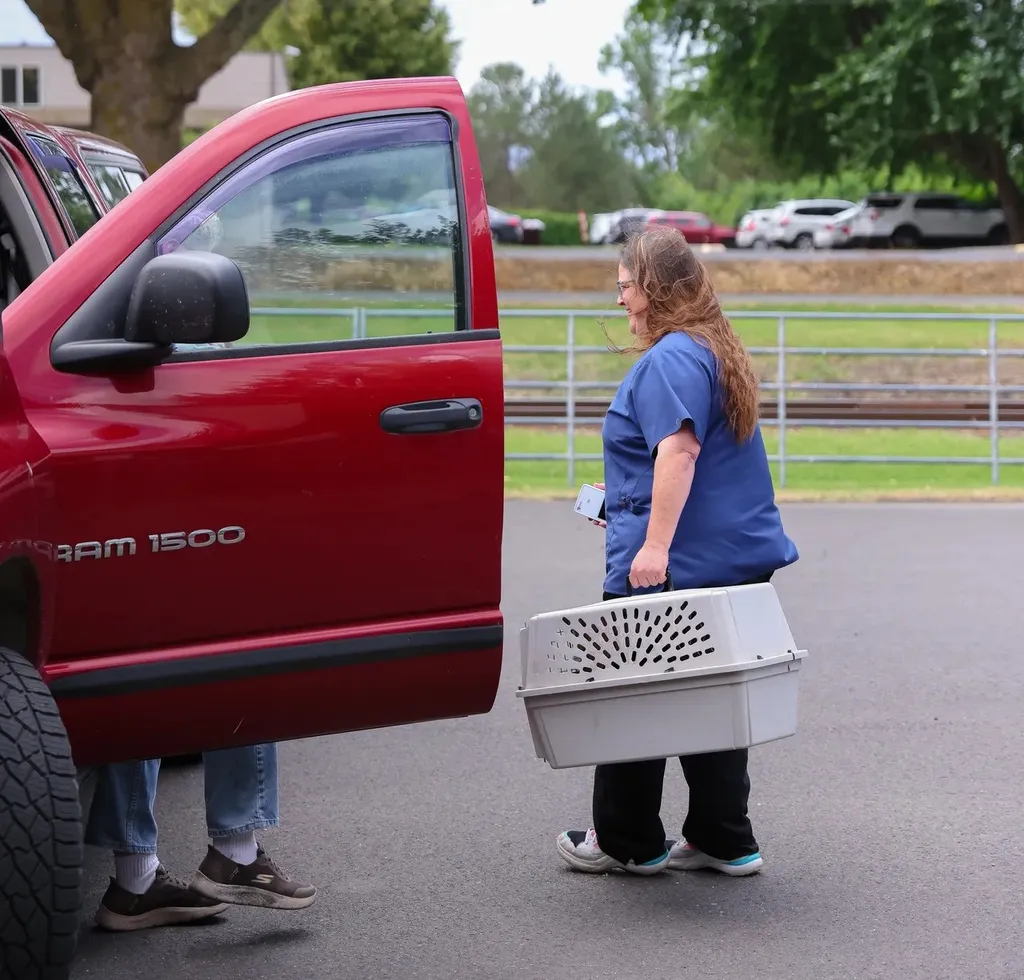
If possible, we strongly encourage calling ahead before arriving.
After-Hours Emergency Care
Small Animal Emergency Care (Dogs & Cats)
For after-hours emergencies involving dogs and cats, please contact:
Mid Columbia Pet Emergency Service
Phone: (509) 547-3577
Hours: Open 24/7 — 7 Days a Week
Washington State University Veterinary Teaching Hospital
Phone: (509) 335-0711
Hours: Open 24/7 — 7 Days a Week
We strongly recommend calling ahead so their team can prepare for your arrival.
Equine & Large Animal Emergency Care
If you have an equine or farm animal emergency, please call (509) 315-4233 to reach a large animal veterinarian.
You may also contact:
WSU Veterinary Teaching Hospital
Phone: (509) 335-0711
Hours: Emergency services available 24 hours a day
WSU Veterinary Teaching Hospital provides advanced emergency and specialty care for both large and small animals.
Poison-Related Emergencies
For suspected toxin or poison exposure, contact:
ASPCA Animal Poison Control Center
Phone: (888) 426-4435
A consultation fee may apply.
Common Signs of a Veterinary Emergency
Seek veterinary attention immediately if your pet is experiencing:
- Bloated or distended abdomen
- Collapse or inability to stand
- Difficulty breathing
- Extreme lethargy or unconsciousness
- Seizures
- Severe trauma or being hit by a car
- Severe vomiting or diarrhea
- Straining to urinate or inability to urinate
- Suspected toxin ingestion
- Uncontrolled bleeding
If you are unsure whether your pet’s condition is urgent or emergent, please call. We would always rather help guide you through a concern than have you navigate it alone.
Transporting an Injured Pet Safely
Injured pets may react unpredictably when frightened or painful, even with people they know and trust.
Helpful Tips
- Keep pets as calm and quiet as possible
- Use a carrier or blanket for smaller pets
- Support larger pets carefully during transport
- Avoid handling painful areas when possible
- Use caution, as injured pets may bite or scratch unexpectedly
If possible, call ahead while you are on your way so the veterinary team can prepare for your arrival.