
Wellness and Preventive Care
Wellness and Preventive Care
Helping Dogs and Cats Stay Healthy at Every Stage of Life
At Associated Veterinary Medical Center, we believe preventive care is one of the most important ways we can support your pet’s long-term health and quality of life.
Twice-yearly, head-to-tail wellness exams allow us to build meaningful relationships with you and your pet, monitor subtle changes, and identify concerns early, often before they become more serious or difficult to manage.
A Personalized Approach to Wellness and Preventive Care
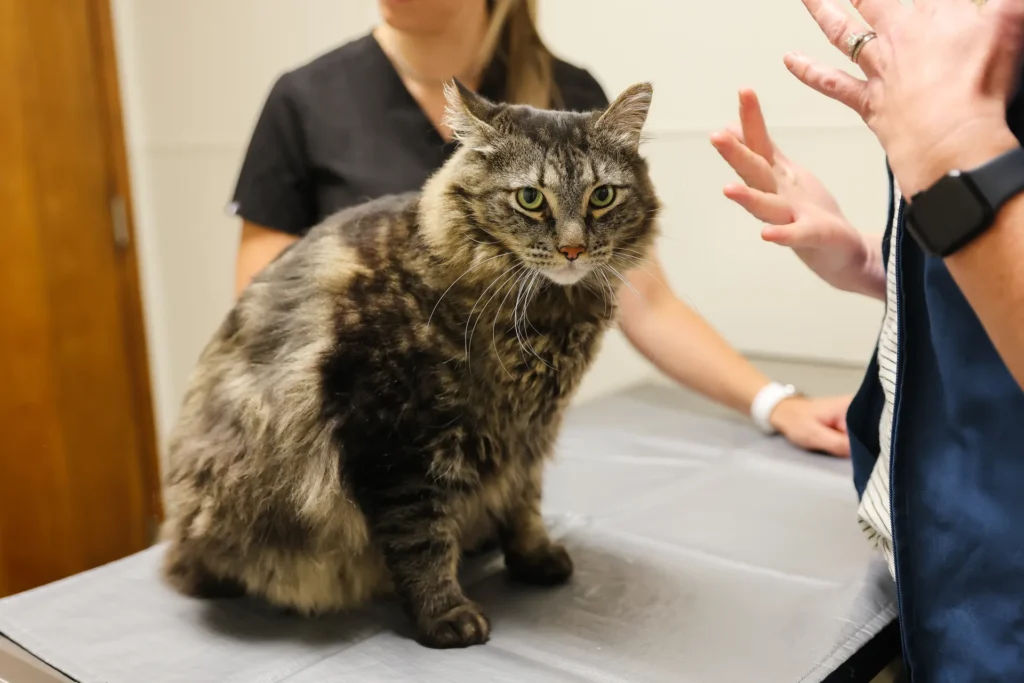
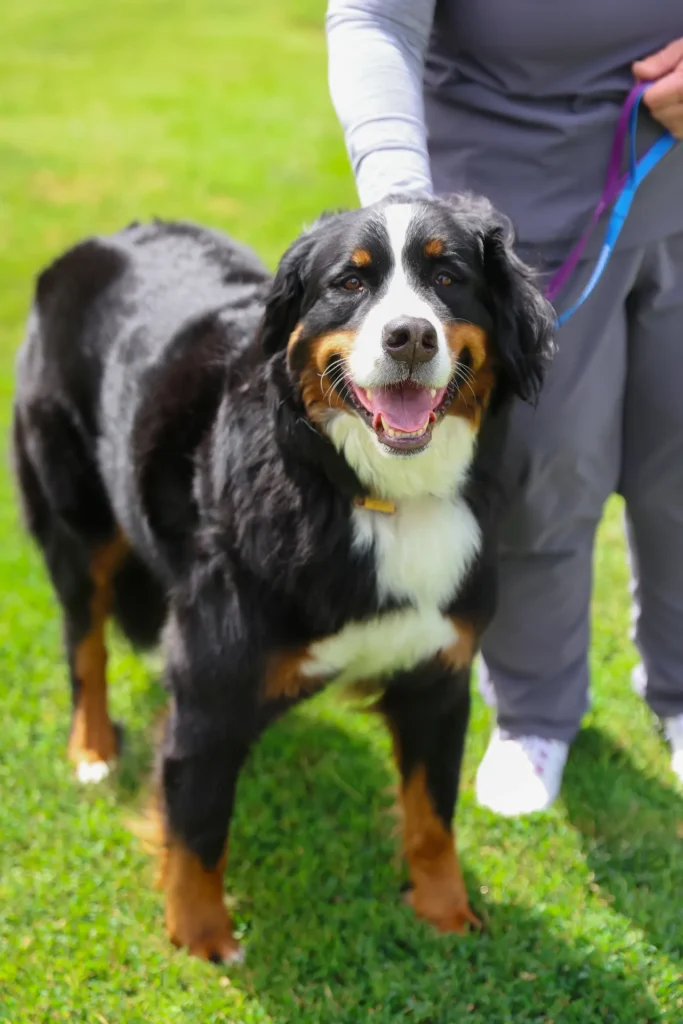
No two pets are exactly alike, and neither are their healthcare needs. At AVMC, we believe wellness and preventive care should be thoughtful, collaborative, and tailored to your pet’s individual lifestyle, age, personality, and health history.
Whether you have a playful puppy, an independent cat, or a senior pet beginning to slow down, we focus on creating realistic, personalized care plans that support both physical and emotional well-being.
Preventive care recommendations may be based on factors such as:
- Age and life stage
- Indoor and outdoor lifestyle
- Travel, boarding, or social exposure
- Breed-related considerations
- Activity level and environment
- Medical history and ongoing health concerns
Because veterinary visits can feel stressful for some pets, we also incorporate Fear Free® techniques whenever possible to help create a calmer, more comfortable experience for both pets and their families.
We believe preventive care works best when pets feel safe, families feel supported, and conversations are open, honest, and free of judgment.
What to Expect During Your Cat or Dog’s Wellness Visit
Our cat and dog companions age much faster than we do, which is why twice-yearly wellness exams are so important. These visits are about far more than vaccines alone. Seeing pets regularly, especially when they are healthy, allows time for meaningful conversations about prevention, nutrition, lifestyle, dental health, behavior, and proactive plans that support lifelong wellness.
Wellness visits also give us the opportunity to evaluate your pet’s overall health, discuss any changes you’ve noticed at home, and identify subtle concerns earlier, often before they become more advanced or difficult to manage. Just as importantly, these visits help your pet become more comfortable with trips to the veterinarian and familiar with our team. A less-stressed pet makes for a more accurate exam and a calmer, more positive experience for both pets and the people who love them.
Our goal is always to help you feel informed, supported, and comfortable asking questions.
During your pet’s visit, we may discuss:
Physical examination findings
Weight and body condition
An oral exam that evaluates the visible surfaces of the teeth and gums
Nutrition and feeding habits
Mobility and joint health
Skin, coat, ears, and dental health
Behavioral or lifestyle changes
Parasite prevention recommendations
Vaccine recommendations based on lifestyle and risk
Age-related health monitoring
Preventive Care Through Every Life Stage
Puppy/Kitten — Birth to 4 Months (16 weeks)
Dogs: Frequent wellness visits help monitor growth, behavior, vaccines, nutrition, and parasite prevention. Outdoor activities, parks, and exposure to wildlife in the Walla Walla area can increase parasite risks early in life.
- Visits every 3 to 4 weeks
- Vaccine boosters
- Deworming & parasite prevention
- Growth & nutrition guidance
- Training & socialization support
Cats: Early visits focus on growth, vaccines, nutrition, parasite prevention, and helping kittens build positive associations with veterinary visits through gentle, low-stress care.
- Visits every 3 to 4 weeks
- Vaccine boosters
- Parasite prevention
- Growth & nutrition guidance
- Socialization support
Young Adult — 4 Months to 2 Years
Dogs:
- Wellness exams every 6 months
- Spay/neuter discussions
- Weight & dental monitoring
- Vaccine and Lifestyle Vaccine updates
- Parasite prevention
Cats:
- Wellness exams every 6 months
- Spay/neuter discussions
- Weight & dental monitoring
- Vaccine updates
- Parasite prevention
- Behavior & lifestyle discussions
Adult — 2 to 7 Years
Dogs: Twice-yearly wellness exams help monitor weight, dental health, skin, mobility, and lifestyle-related risks.
- Wellness exams every 6 months
- Dental health monitoring/ Annual professional dental cleanings
- Lifestyle-based vaccine recommendations
- Weight & mobility checks
- Parasite prevention
Cats: Even indoor cats need routine wellness care. Twice-yearly exams help monitor weight, dental health, behavior changes, and early signs of illness that cats often hide.
- Wellness exams every 6 months
- Dental health monitoring/ Annual professional dental cleanings
- Lifestyle-based vaccine recommendations
- Weight and behavior monitoring
- Early disease detection
- Preventive care for indoor & outdoor cats
Senior — 7 to 10 Years
Dogs: As dogs age, we monitor more closely for arthritis, dental disease, weight changes, and internal health concerns. Senior pets benefit from more frequent exams and lab work.
- Wellness exams every 6 months
- Age & lifestyle-based vaccine discussions
- Arthritis & mobility monitoring
- Lab work & early disease screening
- Comfort-focused care
Cats: Senior cats are more prone to conditions like arthritis, kidney disease, thyroid disease, and weight loss. These exams help us catch subtle changes earlier.
- Wellness exams every 6 months
- Age & lifestyle-based vaccine discussions
- Kidney & thyroid monitoring
- Arthritis & mobility checks
- Early disease detection
Geriatric — 10+ Years
Dogs: Older dogs often need additional support for mobility, comfort, cognitive health, and chronic disease management. Our focus shifts toward maintaining quality of life and comfort.
- More frequent wellness monitoring
- Ongoing vaccine and preventive care discussions
- Chronic disease management
- Pain & mobility support
- Quality of life care
Cats: Geriatric cats can experience significant health changes quickly. More frequent monitoring helps support comfort, appetite, mobility, and overall quality of life.
- More frequent wellness monitoring
- Ongoing vaccine and preventive care discussions
- Appetite and weight monitoring
- Chronic disease management
- Quality of life support
Preventive Care Tailored to Your Pet’s Lifestyle
Visit our Vaccines, Parasite Prevention & Environmental Health page for more info on preventive care tailored to your pet’s lifestyle, protecting against common risks in our local environment.
A Lower-Stress Approach to Veterinary Visits
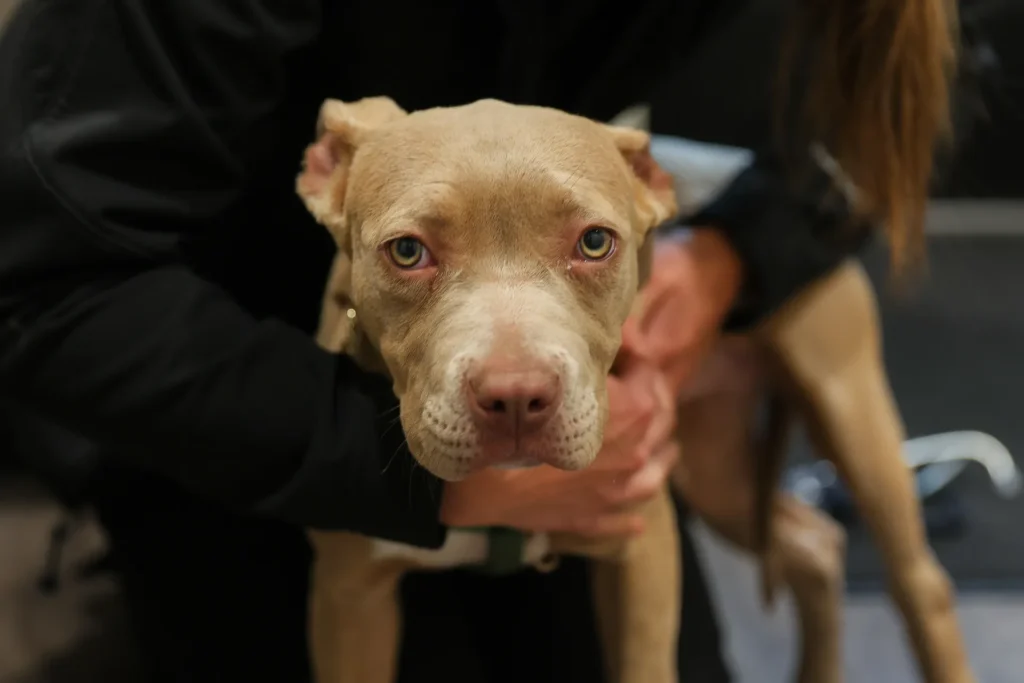
We understand that veterinary visits can feel overwhelming for some pets, especially cats and anxious dogs. That’s why our team incorporates Fear Free® techniques and low-stress handling whenever possible to help create a calmer, more positive experience.
This includes:
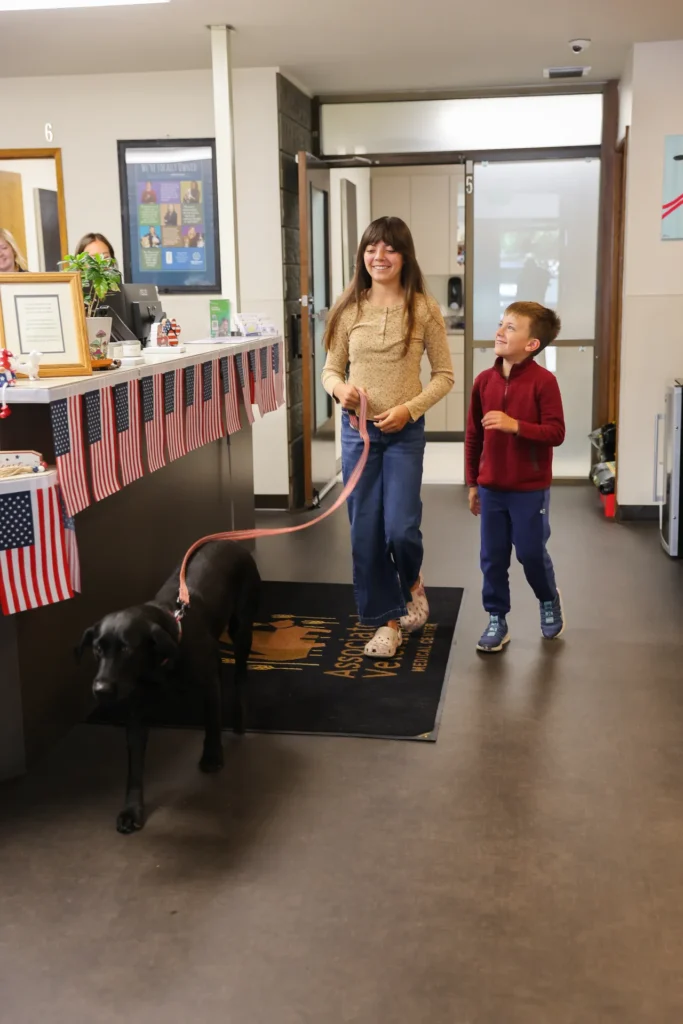
- Direct-to-room check-in from your car
- Gentle handling techniques
- Allowing pets to set the pace of the exam and explore their surroundings (especially for cats)
- Treats and positive reinforcement
- Adjusting the exam approach to your pet’s comfort level
When pets feel safer and more comfortable, we’re often able to provide better care and create more positive long-term experiences with veterinary visits.
If you have concerns about your pet’s anxiety, past veterinary experiences, or stress during travel or handling, we encourage you to call and speak with our team before your visit. We’re happy to discuss strategies, answer questions, and help create a plan that makes your pet’s appointment as comfortable as possible.
Schedule Your Pet’s Wellness Visit
Partner with our team to keep your dog or cat healthy at every stage of life. Call us or book online to schedule a twice-yearly wellness exam for your pet.