
Emergency and Urgent Care
Emergency and Urgent Veterinary Care
Same-Day Care for Unexpected Illnesses, Injuries, and Concerns
When your pet is sick, injured, or experiencing something unexpected, we understand how stressful and overwhelming that can feel. At Associated Veterinary Medical Center, our goal is to help families feel supported, informed, and guided through urgent situations with compassion and clarity.
Whenever possible, we intentionally hold space in our daily schedule for urgent and same-day medical concerns because we know unexpected situations happen.
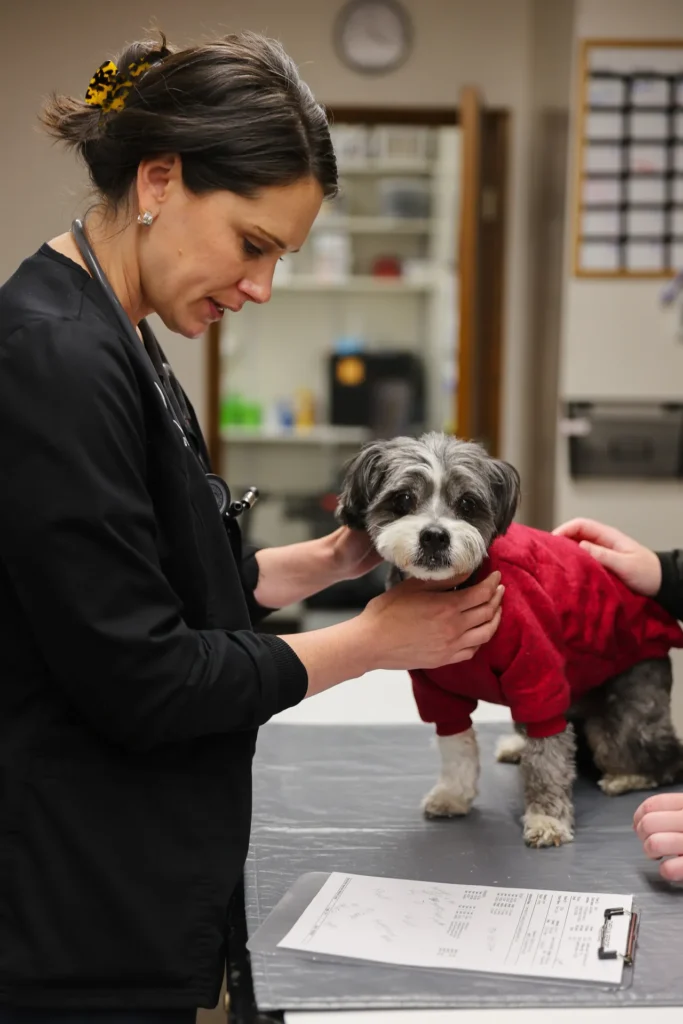
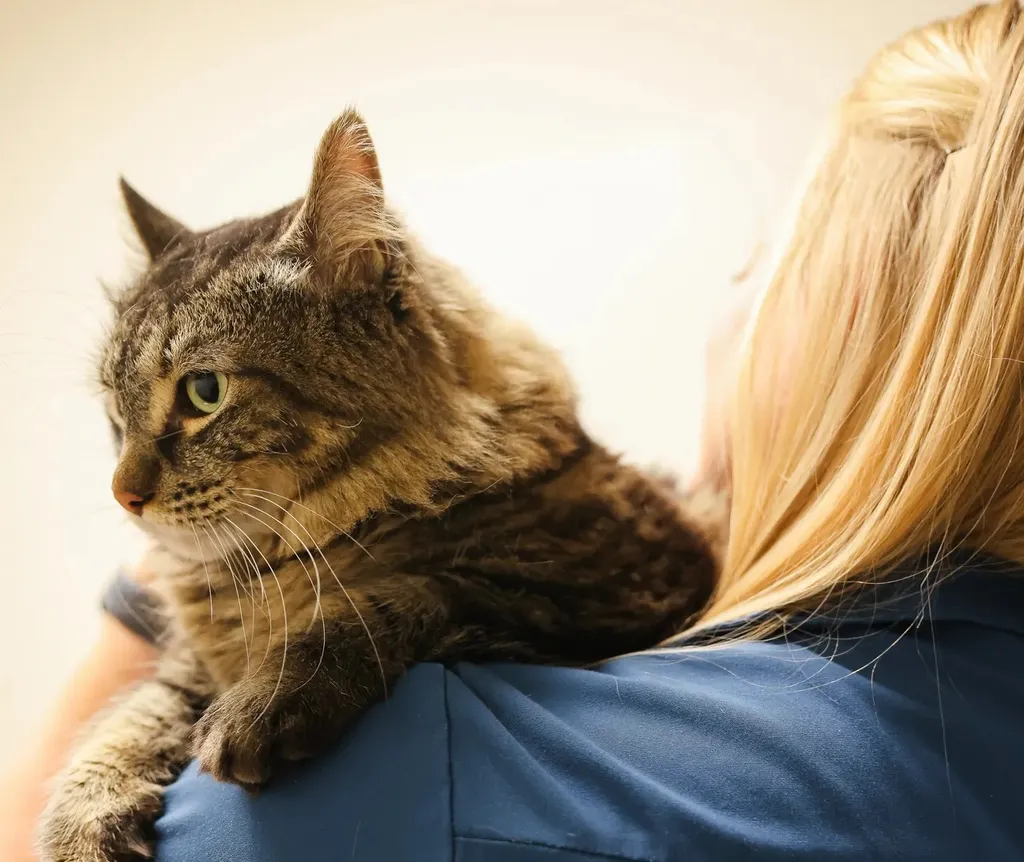
If Your Pet Is Experiencing an Emergency
Please Call Us First
If your pet is experiencing an urgent medical concern during regular hospital hours, please call our team immediately at (509) 525-2502.
Calling ahead allows our veterinary medical team to:
- Assess the situation over the phone
- Help determine the urgency of care needed
- Prepare for your arrival if emergency treatment is necessary
- Direct you to the most appropriate level of care
Our goal is always to help you make the safest and most informed decision for your pet as quickly as possible.
Urgent Medical Concerns vs Emergency Medical Concerns
Some medical concerns require prompt attention but may not be immediately life-threatening, while others need emergency care right away. Understanding the difference can help you make faster, safer decisions for your cat or dog.
Urgent Medical Concerns
Urgent medical concerns are issues that should be evaluated promptly, often the same day, but may not be immediately life-threatening.
- Coughing or sneezing
- Decreased appetite
- Ear infections or head shaking
- Eye redness or squinting
- Limping or mild injuries
- Minor wounds or skin issues
- Mild allergic reactions or itching
- Pain or discomfort that is not severe
- Urinary accidents or mild urinary concerns
- Vomiting or diarrhea that is mild or short-term
Emergency Medical Concerns
Emergencies are situations that require immediate veterinary attention because they may quickly become life-threatening or cause severe pain and distress.
- Bloated or distended abdomen
- Collapse or inability to stand
- Difficulty breathing or inability to breathe
- Extreme lethargy or unconsciousness
- Severe trauma or being hit by a car
- Severe vomiting or diarrhea, especially with blood
- Seizures
- Straining to urinate or inability to urinate
- Suspected toxin or poison ingestion
- Uncontrolled bleeding
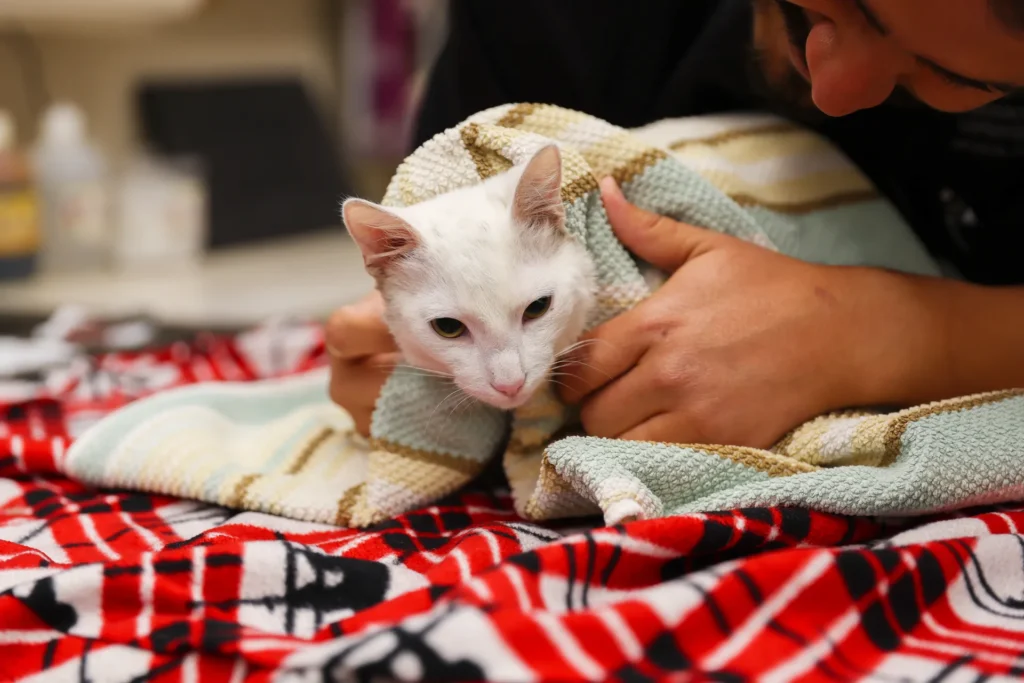
Our Approach to Urgent and Emergency Care
Medical emergencies are emotional, and we understand that families may feel anxious, overwhelmed, or scared in these moments.
At AVMC, we approach urgent care situations with the same values that guide the rest of our medicine:
- Compassion
- Clear communication
- Non-judgment
- Collaborative problem-solving
- Meeting people where they are
Our role is not only to care for your pet medically, but also to help support and guide you through difficult or unexpected situations.
After-Hours Emergency Care
Mid Columbia Pet Emergency Service
Small Animal Emergencies
For after-hours emergencies involving dogs and cats, we refer patients to Mid Columbia Pet Emergency Service.
Hours: Open 24/7 — 7 Days a Week
We strongly recommend calling ahead so their team can prepare for your arrival.
WSU Veterinary Teaching Hospital
Equine & Large Animal Emergencies
If you have an equine or farm animal emergency, please call (509) 315-4233 to reach a large animal veterinarian.
You may also contact WSU Veterinary Teaching Hospital.
Hours: Emergency Services are available 24 hours a day. WSU provides advanced emergency and specialty care for both large and small animals.
ASPCA Animal Poison Control Center
Poison-Related Emergencies
For suspected toxin or poison exposure, contact the ASPCA Animal Poison Control Center.
A consultation fee may apply.
Transporting an Injured Pet Safely
Injured pets may react unpredictably when frightened or painful, even with people they know and trust.
Helpful Tips:
- Keep pets as calm and quiet as possible
- Use a carrier or blanket for smaller pets
- Support larger pets carefully during transport
- Avoid handling painful areas when possible
- Use caution, as injured pets may bite or scratch unexpectedly
If possible, call us while you are on your way so our team can help prepare for your arrival.
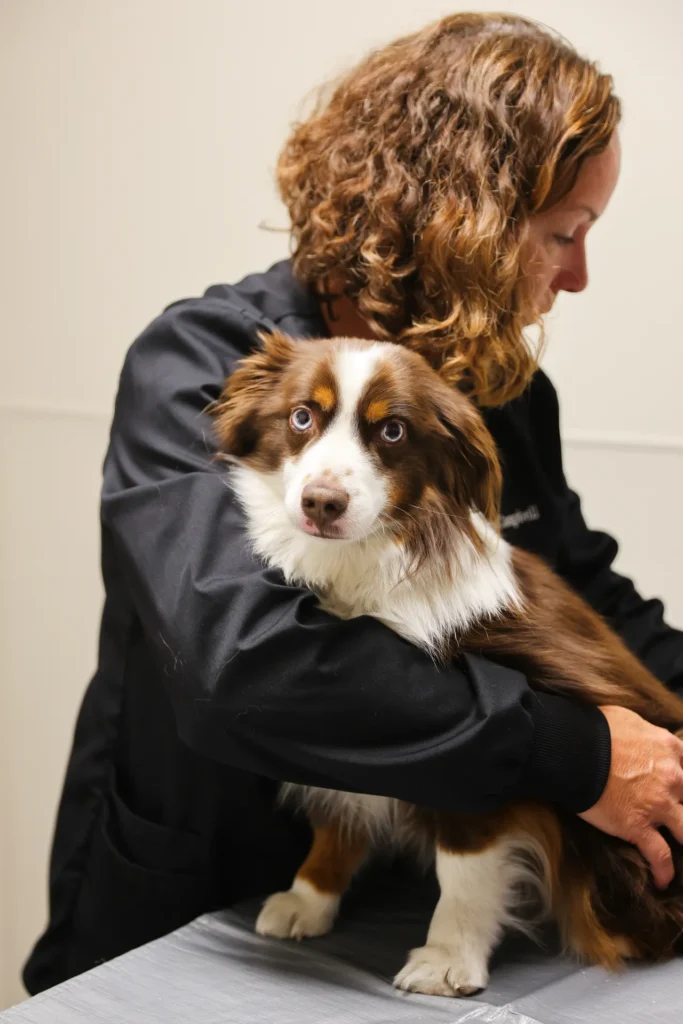
Have an Urgent Concern? Call Us First
During regular hospital hours, call us right away at (509) 525-2502 so our team can assess the situation and guide you to the safest, most appropriate care for your pet.