Comprehensive Wellness Exam
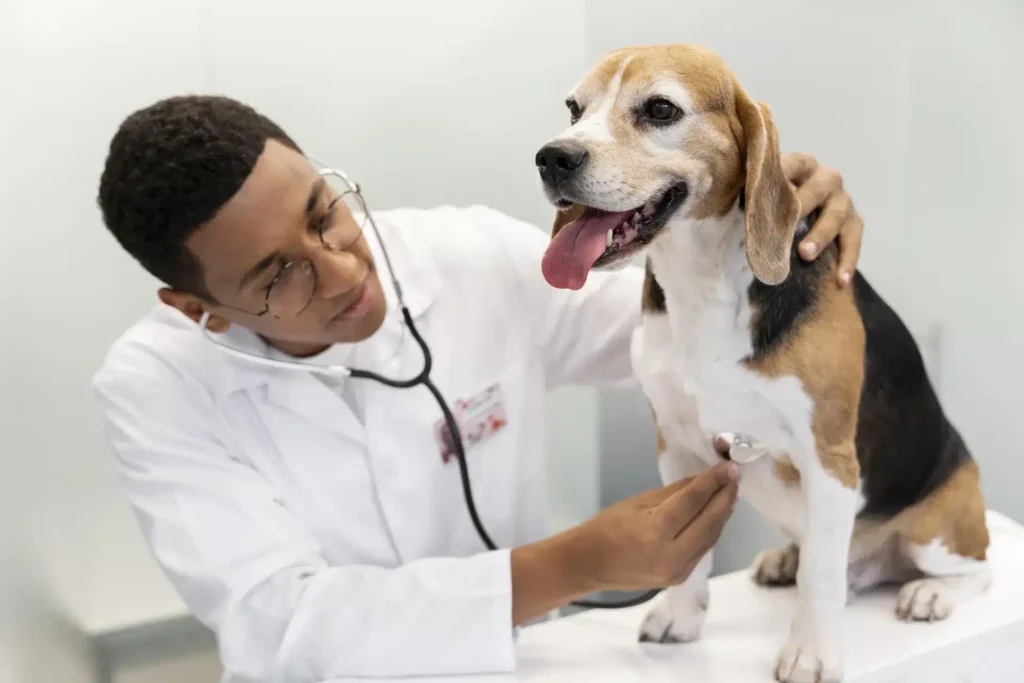
A physical examination is recommended every 6 months for all dogs and cats. Just as with people, a physical exam is the most important component of an office visit, allowing the veterinarian to completely examine your pet and discuss any medical problems found or any behavioral concerns you may have.
A note about our culture of Stress Free veterinary visits: We strongly believe that your pet’s veterinary experience should have a positive and enjoyable one. To help us achieve this mission, we incorporate many Fear-Free techniques. Check out our blog on Fear Free veterinary visits (www.avmcww.com)!
Routine Laboratory Testing
Laboratory testing can frequently detect illness in your pet before we can see any outward signs of disease. Early detection means earlier prevention and treatment. Testing healthy pets during wellness visits gives us your pet’s normal baseline values to compare to later. Additionally, pets on certain medications require additional monitoring. We also recommend yearly fecal parasite screening tests for all pets and yearly heartworm testing for dogs.
Parasite Prevention
Parasites have become an increasing health risk for pets in the Northwest. Many of the parasites that can cause health problems for pets also have the potential of affecting human health. Therefore, it is important to control parasites in pets for both their safety and our own. External parasites, such as fleas and ticks, can cause both skin and internal health problems. Internal parasites, such as heartworms and intestinal worms, can lead to several health complications and even death. Regular preventative protocols and routine screening can significantly reduce your pet’s risk of contracting these diseases and safeguard human health.
Oral Care
The American Animal Hospital Association recommends regular oral examinations and dental cleanings, under general anesthesia, for all adult dogs and cats. Your veterinarian will evaluate your pet’s dental health at each wellness exam.
Nutrition
There are many options on the market and pet food trends tend to follow what’s trendy for people! When evaluating dietary options, we encourage clients to, at minimum, look for the Association of American Feed Control Officials (AAFCO) statement, which verifies the testing method for nutrient guidelines.
We use and recommend Hill’s Science Diet, Purina, and Royal Canin foods. These manufacturers directly contribute to pet nutrition research and the improvement of pet nutrition products and nutritional therapies for specific diseases.
Vaccine Recommendations – Canine
Core: recommended for all dogs
- Rabies: Required by Washington for both cats and dogs. Vaccination helps to prevent your pet from acquiring the disease from wildlife, and thereby transmitting it to humans. Annual and then every 3 years thereafter.
- DAPP: Vaccination protects your dog from distemper, hepatitis, parvo & parainfluenza viruses which are all highly contagious, debilitating and can cause death. These viruses do NOT need direct contact, but can be passed through airborne or environmental contamination. Annual and then every 3 years thereafter.
Lifestyle: recommended based on exposure risk
- Lepto: Annual vaccination recommended for dogs with exposure to wildlife regions to prevent this bacterial infection resulting from contact with urine of infected wildlife or contaminated food or water. Lepto infection can cause kidney and liver damage and is contagious to humans.
- Bordetella: Annual vaccination recommended for dogs frequently around other dogs to prevent tracheobronchitis (Kennel Cough) which causes a dry, hacking cough that can last over six weeks and is highly contagious. Often required by groomers & boarding facilities.
Vaccine Recommendations – Feline
Core: recommended for all cats
- Rabies: Required by Washington for both cats and dogs. Vaccination helps to prevent your pet from acquiring the disease from wildlife, and thereby transmitting it to humans.
- FVRCP: Vaccination prevents three potentially deadly viruses: rhinotracheitis, calicivirus and panleukopenia. These viruses do NOT need direct contact, but can be passed through airborne or environmental contamination.
Lifestyle: recommended based on exposure risk
- FeLV Vaccine: The FeLV vaccine protects against the deadly leukemia virus. The initial booster series is recommended for all cats, then yearly for all outdoor cats


